Tag
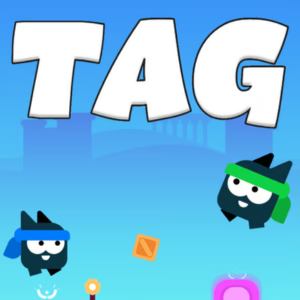
Tag (often known as Tag 2 or Tag 3 4 Players) brings the playground classic to the digital screen with a high-energy twist. It is one of the premier "Local Multiplayer" games available in the browser, allowing up to 4 friends to play on a single keyboard. The premise is universal: one player is "It" and must touch another player to pass the role. However, the addition of parkour mechanics and interactive maps turns this simple concept into a complex tactical showdown.
🏃 Movement Physics: Inertia is Key
The characters in Tag aren't rigid; they carry momentum. This physics-based movement is the skill gap in the game.
- Acceleration: You don't hit top speed instantly. You need a runway.
- Skidding: If you change direction efficiently, your character skids. Skilled players use this to bait the chaser, pretending to go left, skidding, and sprinting right (the "Ankle Breaker").
- Wall Jumps: You can bounce off walls to reach higher platforms or reverse direction quickly.
🏟️ Map Mechanics and Interactive Elements
The levels are designed with specific gimmicks that change the flow of the chase:
- Teleporters: These connect two distant points on the map. A common tactic is to camp near a teleporter and jump through the moment the chaser gets close.
- Spring Pads: These launch players vertically. They are great for escaping but leave you vulnerable in the air where you cannot change direction.
- Conveyor Belts: These speed you up or slow you down depending on your direction. Running against a conveyor belt is a death sentence when being chased.
🎮 Multiplayer Modes
While the standard "Tag" mode is the core, the game offers variations to keep things fresh:
1. Hot Potato
The person who is "It" has a timer. If the timer runs out while you are "It," you explode and are eliminated. This adds massive panic to the gameplay.
2. Moon Gravity
Physics are altered, allowing for massive floaty jumps. This changes the strategy from horizontal juking to vertical dominance.
🧠 Why It's a Social Hit
In an era of online matchmaking, Tag brings back the joy of "Couch Gaming" (or "Shared Keyboard Gaming"). The proximity of players creates a social atmosphere of shouting, laughing, and friendly rivalry. The controls are simple enough for non-gamers (just 3 keys: Left, Right, Up), but the physics allow for high-level competitive play.